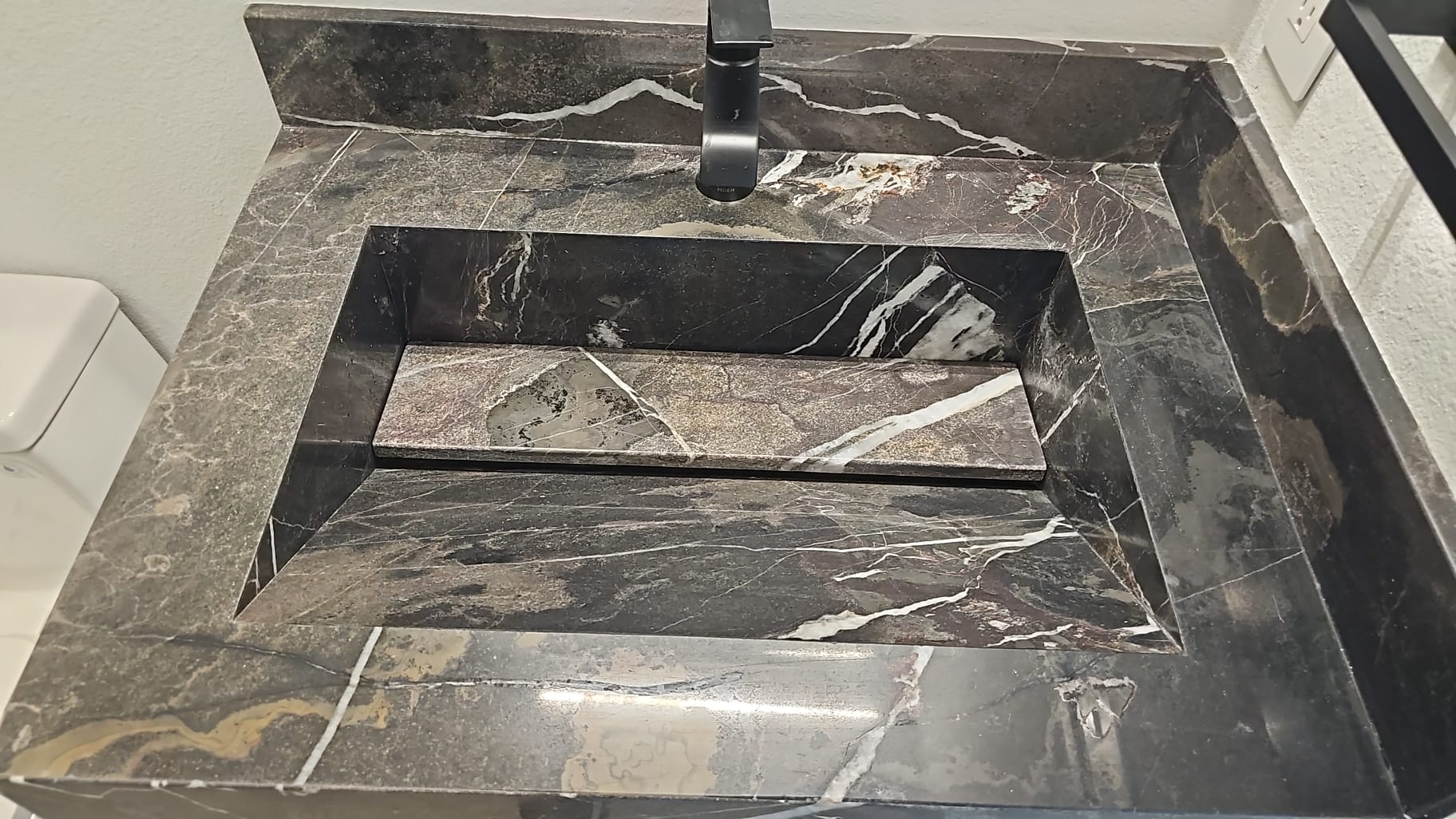
Why Granite Requires Proper Care
Granite countertops represent a significant investment in your home, valued for their durability, natural beauty, and ability to elevate any kitchen or bathroom space. However, granite is a porous natural stone that demands intentional care to maintain its appearance and structural integrity over time. Without proper cleaning and periodic sealing, everyday substances such as cooking oils, acidic liquids, and even tap water can penetrate the stone’s surface, leading to permanent staining, dullness, and bacterial growth within the pores.
In Laredo, the combination of high summer temperatures and occasional humidity creates conditions where spills evaporate quickly, leaving concentrated residues that bond more aggressively to unsealed granite. Dust carried by south Texas winds settles on countertops daily, and when mixed with moisture, it forms a gritty film that can scratch polished surfaces if wiped improperly. Homeowners who have invested in granite countertop installation during kitchen remodeling services projects understand that professional-grade stone requires professional-grade maintenance habits. Establishing a routine cleaning protocol and sealing schedule not only protects your financial investment but also preserves the visual impact that makes granite a preferred choice for discerning property owners throughout the region.
Gathering the Right Materials and Tools
Successful granite maintenance begins with selecting appropriate materials that will not compromise the stone’s finish or protective barrier. Standard household cleaners containing ammonia, bleach, vinegar, or citrus extracts will degrade the existing sealant and etch the polished surface, creating dull spots that cannot be reversed without professional restoration. Instead, invest in a pH-neutral stone cleaner specifically formulated for natural stone surfaces, available at local hardware retailers or through specialty suppliers.
You will need several high-quality microfiber cloths dedicated exclusively to stone care. Cotton towels and paper products leave lint and may contain abrasive fibers that scratch granite over repeated use. For the sealing process, select a penetrating granite sealer rated for food-contact surfaces, ensuring it meets safety standards for kitchen applications. A clean spray bottle filled with distilled water assists in the water-drop absorption test that determines when resealing is necessary. In Laredo’s mineral-rich water supply areas, using distilled water for this test prevents false readings caused by deposits left by tap water.
Avoid sponges with abrasive backing, scouring pads, and any tools designed for scrubbing. Granite’s polished finish, while hard, can be dulled by repetitive friction from rough materials. Homeowners who coordinate material selection with professionals during bathroom remodeling services or custom outdoor kitchen installations receive guidance on maintenance products suited to their specific stone variety and finish type.
The Cleaning Process Step-by-Step
Begin by removing all items from the countertop surface, including appliances, decorative objects, and dish racks. This ensures complete access and prevents cleaner from pooling around objects, which can leave water rings or residue marks. Clear away any loose debris or crumbs using a soft, dry microfiber cloth, brushing gently from back to front to avoid scratching the stone.
Spray a thin, even layer of pH-neutral stone cleaner across the entire granite surface. Do not oversaturate; a light mist is sufficient for effective cleaning. Allow the cleaner to dwell on the surface for 30 to 60 seconds to break down oils and residues without evaporating too quickly. In Laredo’s warm indoor environments, cleaners can dry before you finish wiping, leaving streaks, so work in sections if your countertop area is extensive.
Using a clean microfiber cloth, wipe the surface in smooth, overlapping strokes, applying light pressure. Flip or rotate the cloth frequently to avoid redistributing grime. For stubborn spots such as dried food or oil splatters, dampen the cloth slightly and use circular motions, gradually increasing pressure until the residue lifts. Never scrape with fingernails, utensils, or scrapers, as these will scratch the polish.
Finish by buffing the entire surface with a separate, dry microfiber cloth to remove any remaining moisture and restore the natural luster. This final buffing step is critical for preventing water spots and streaking, particularly important in areas with hard water. Properties that feature granite installed during kitchen remodeling services benefit from establishing this daily or weekly cleaning routine immediately after project completion.
Sealing Your Granite: Techniques and Best Practices
Sealing granite countertops creates an invisible barrier within the stone’s pores, preventing liquids and stains from penetrating while allowing the material to breathe naturally. Before applying sealer, test whether your granite requires resealing by placing a few drops of distilled water on the surface. If the water beads and remains on top for at least 10 minutes, the existing seal is still effective. If the water begins to darken the stone within a few minutes, resealing is necessary.
Ensure the countertop is completely clean and dry before sealing. Any residue, moisture, or oils trapped beneath the sealer will cause clouding or uneven absorption. Pour a small amount of penetrating granite sealer onto the surface and spread it evenly using a clean microfiber cloth or foam applicator pad, working in sections approximately three feet square. Apply the sealer in thin, consistent coats, covering the entire area without pooling or dripping.
Allow the sealer to penetrate the stone for the duration specified by the manufacturer, typically five to fifteen minutes. During this time, the liquid will absorb into the pores. If any areas appear dry before the time elapses, apply additional sealer to those spots to ensure uniform coverage. After the recommended dwell time, use a clean, dry microfiber cloth to wipe away any excess sealer that has not been absorbed, buffing the surface to a uniform finish.
Granite typically requires resealing every 12 to 18 months, though high-use areas such as kitchen prep zones may need more frequent treatment. In Laredo, where outdoor cooking spaces are popular, homeowners with custom outdoor kitchen granite surfaces should test and reseal more often due to exposure to temperature fluctuations and airborne particulates. Professional installations often include initial sealing and maintenance instructions tailored to your specific stone type.
Common Mistakes and How to Avoid Them
One of the most damaging mistakes homeowners make is using acidic or alkaline household cleaners on granite surfaces. Products containing lemon, vinegar, bleach, or ammonia will strip the sealant and etch the stone, creating permanent dull patches that cannot be polished out without professional intervention. Always verify that any cleaner is explicitly labeled as safe for natural stone and maintains a neutral pH balance.
Another common error is over-sealing or applying sealer to granite that does not require it. Certain granite varieties are extremely dense and non-porous, requiring little to no sealing. Applying sealer to these stones creates a hazy, streaky film that diminishes the natural beauty of the surface. Always perform the water-drop test before sealing to confirm that your specific granite needs treatment.
Neglecting to buff away excess sealer after application leads to a cloudy, uneven finish that attracts dust and feels tacky to the touch. The sealer must penetrate the stone fully; any residue remaining on the surface after the dwell time must be removed completely. Work methodically and inspect the countertop from multiple angles under good lighting to ensure no streaks or patches remain.
Homeowners also frequently underestimate the importance of using proper wiping techniques. Circular scrubbing motions on polished granite can create micro-scratches over time, dulling the finish. Use smooth, linear strokes and allow the cleaner to do the work rather than applying excessive force. Properties that have undergone remodeling services incorporating premium stone surfaces benefit from adopting these careful habits from the start, ensuring that the investment retains its value and visual appeal for decades.